Your business requires routine sanitation based upon risk factors, food processing capacity, allergen concerns, and regulatory checks, plus documented records demonstrating food safety protocols, inspection results, and government health requirements. The following sections describe critical cleaning system elements.
Essential Summary
- Brampton food safety cleaning experts maintain restaurants, grocery departments, commissaries, warehouses, bakeries, schools, mobile vendors, and allergen-sensitive operations.
- Cross-contamination prevention is achieved by cleaning high-touch surfaces, food-contact equipment, kitchens, floors, drains, restrooms, and storage areas with area-specific procedures.
- Filing of finishing through samples, audits, and remedial documentation confirms trained providers have confirmed approved sanitizer dilution, appropriateness, and contact time.
- Hygiene calendars must follow risk, production rate, transitions, releases, and regulations, with everyday, weekly, and seasonal duties allocated by location.
- Select suppliers with hazard analysis knowledge, sanitation, understanding, safety training, preparation, insurance, endorsements, color-categorized equipment, and audit-ready hygiene paperwork.
Which Brampton Operations Need Food Safety Cleaning?
Any Brampton facility that processes, stores, prepares, packages, or distributes food needs food safety cleaning. You must implement it if your facility falls under public health inspection, food premises regulations, or internal HACCP-based controls. That requirement covers food service venues, employee cafes, supply centers, retail departments, meat shops, fish areas, local stores, and institutional food prep areas.
You also need documented food sanitation in warehouses, food manufacturing plants, cold storage sites, retail bakeries, school nutrition programs, banquet halls, and meal delivery hubs. Mobile and seasonal operations count too, including mobile kitchens, festival sellers, and temporary food stands. If your staff handle ingredients, section prepared foods, heat finished items, or keep allergens stored, your facility needs written cleaning standards. In Brampton, sanitation isn't elective; it's part of lawful, functional, and customer safety adherence.
What Do Brampton Cleaning Professionals Handle?
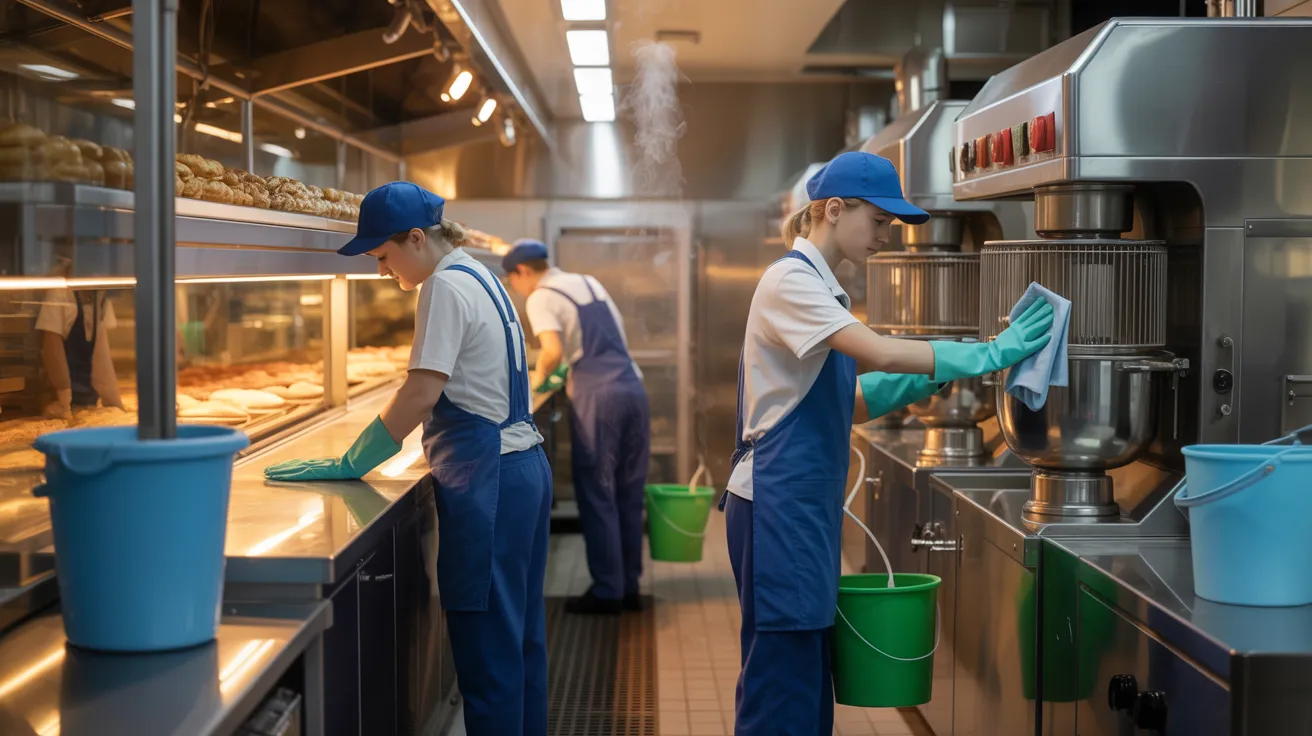
Professional cleaning services specializing in Brampton sanitize touched surfaces, food preparation areas, ground surfaces, and restrooms to satisfy food safety standards and health requirements. Focus on these locations stems from extreme cross-contamination risk, injury hazards, and possible regulatory violations.
By knowing exactly what gets cleaned, you can make sure your facility's cleaning procedures satisfy all operational and regulatory requirements.
Disinfecting High-Touch Areas
develop a sterilization frequency
Maintaining a one-way cleaning method, swapping cloths, and dividing disinfection materials according to area ensures that plan stays documented, documented, and inspection-ready at all times
Cooking Zones, Walking Surfaces, and Restroom Environments
Brampton cleaning services focus on kitchens, floors, and restrooms as each zone presents distinct food safety, accident, and wellness concerns. In industrial kitchens, you need degreasing on cook lines, equipment exteriors, drains, prep surfaces, and splash zones to minimize bacterial growth and pest activity.
Floor care that is documented should also be anticipated. Technicians clean and remove buildup from grout, tile, and vinyl flooring, then apply suitable dehydration methods so you can reduce slip incidents and maintain code-compliant conditions. They also address entryways where moisture and debris migrate indoors.
Restroom cleaning involves sanitizing touchpoints, fixtures, partitions, dispensers, and waste containers, replenishing amenities and managing odor. They also maintain restaurant cleaning supply rooms where product storage, sink cleanliness, and drain systems impact daily sanitation standards and worker protection.
The Importance of Food Safety Cleaning in Brampton
To comply with regulatory mandates and succeed in audits, Brampton establishments must maintain appropriate cleaning protocols. You also minimize cross-contamination by cleaning and sanitizing food-contact surfaces, equipment, and high-touch areas correctly. Most importantly, you safeguard public health by lowering the risk of foodborne illness in your facility.
Sanitary Standards Adherence
Food companies in Brampton face mandatory safety protocols, making food safety cleaning crucial to fulfilling health code requirements, safeguarding patrons, and eliminating enforcement action. You must maintain clean food preparation areas, written maintenance records, safe chemical management, and verifiable staff procedures that meet municipal and provincial inspection expectations.
During inspections of your operation, regulators determine if your cleaning procedures ensures proper stock preservation, appliance cleanliness, trash control, and restroom sanitation.
Contamination Prevention
Adhering to regulatory guidelines requires your skill in preventing cross-contamination throughout daily food handling and cleaning. You need to separate raw ingredients from ready-to-eat foods, sanitize work stations after each task, and keep chemicals away from food-contact items. Structured procedures reduce transfer risks and ensure consistent compliance during inspections.
You should implement allergen segregation to prevent major allergens from touching common work try this areas, storage bins, or tools. Use dedicated cutting boards, color-coded tools, and strict utensil labeling so employees avoid combining products during preparation or service. Mandate washing hands following raw meat, seafood, eggs, or allergen-containing products. Replace wiping cloths regularly, and check disinfectant potency using test kits. When staff members receive training on these procedures each work period, you create a cleaner, safer operation that meets Brampton's food safety expectations daily.
Public Health Protection
If proper sanitation declines, you don't merely face potential inspection issues—you boost the probability of foodborne illness affecting customers, staff, and the broader Brampton region. You also weaken your role in protecting public health, especially in busy food facilities where contamination can spread quickly through surfaces, equipment, and touchpoints.
You depend on cleaning procedures that remove soils, effectively sanitize, and verify results. This entails adhering to exposure times, utilizing authorized sanitizers, maintaining records, and coaching staff to fulfill compliance standards. These initiatives promote pathogen control by reducing microbes before affecting food surfaces or hands. In Brampton, robust sanitation protects at-risk groups, curtails outbreak likelihood, and proves your diligence. When you maintain standards, you go beyond regulations—you substantially reduce risk and promote secure food service throughout the city.
How Does Cleaning Support Food Safety Compliance?
Maintaining comprehensive cleaning schedules supports food safety compliance by lowering contamination exposure, limiting pathogen development, and keeping your facility compliant with sanitation requirements under HACCP-based programs and public health regulations. You validate that contact surfaces are visibly clean and microbiologically controlled, backing documented preventive controls and inspection readiness.
Systematic cleaning further enhances allergen prevention by removing residues that can lead to undeclared allergen exposure. When you match validated sanitation procedures with compliance training, your staff can implement established protocols, apply approved chemicals appropriately, complete records accurately, and manage irregularities before they escalate. Ongoing cleaning promotes supply chain documentation, confirms corrective steps, and proves accountability when audited. It also helps you preserve quality assurance, maintain operational compliance, and minimize the likelihood of punitive measures, recalls, customer complaints, and preventable health hazards.
When Should You Plan Commercial Cleaning?
spill incidents, and post-maintenance work
Seasonal comprehensive cleaning ought to be arranged for shutdowns, weather-related soil buildup, or pest-pressure periods
What Should You Look For in Brampton Cleaning Experts?
Begin by evaluating providers based on sanitation compliance standards—not solely on budget. You should confirm that each organization comprehends CFIA, public health, and HACCP-aligned expectations applicable to your facility. Request insurance certificates, WHMIS compliance, staff training documentation, and oversight procedures. Assess whether technicians recognize cross-contamination risks, chemical handling protocols, and verifiable sanitation records.
You should further examine service consistency and accountability. Request references from food facilities in Brampton, then review reply speed, corrective-action procedures, and communication standards. Validate the company facilitates supplier audits and can supply compliance documentation to regulators or external parties. Confirm equipment receives maintenance, colour-coded tools are applied correctly, and site-specific hazards are identified. A qualified provider ensures regulatory compliance, product integrity, and your brand reputation.
What details should a sanitation plan include?
Develop a written strategy that makes clear every sanitation task, standard, and responsibility prior to production start. You should outline cleaning frequencies, approved chemicals, dilution rates, contact times, tools, and verification methods for each zone, surface, and piece of equipment. Include pre-operational inspections, corrective actions, and employee training requirements.
Your plan should also address contamination prevention, garbage management, pest control procedures, and recorded timelines for restrooms, drains, floors, and food-contact areas. Explain how you'll keep raw and prepared foods apart, enable ingredient tracking, and ensure accurate allergen labeling through validated cleaning between product changes. You should designate accountability, keep signed records, and compare results against regulatory standards, HACCP controls, and customer requirements. When gaps appear, update procedures immediately and re-educate staff.
Commonly Asked Inquiries
Can sanitation providers accommodate overnight shifts in Brampton properties?
If you run regulated facilities, you'll also need records that enable audits and ensure compliance.
Are hazard containment solutions provided from Brampton cleaning experts?
Yes, you can discover many Brampton cleaning professionals providing spill response options. They handle hazardous incidents, evaluate risks, isolate contamination, and begin swift decontamination to minimize exposure and avoid operational impact. You should confirm timeframes, credentials, safety protocols, and waste procedures. If your facility must meet compliance standards, pick a provider that documents events, adheres to standards, and supports verification.
Are environmentally safe disinfectants suitable for food-contact surfaces?
Yes, eco-friendly disinfectants can be safe for food-handling equipment if you select solutions certified for food use and complying with regulations. You should check application timing, dilution ratios, and rinse procedures before deployment. Many plant based formulas decrease toxic chemical contact, but you require proof of efficacy against target microorganisms. To ensure residue-free conditions, you should adhere to exact manufacturer guidelines and ensure the disinfecting agent complies with applicable food industry sanitation standards.
Do maintenance plans allow for seasonal production changes?
Absolutely, maintenance plans are customizable for production fluctuations. Adapt frequencies, labor allocation, chemicals, and verification steps to correspond to seasonal workflows while sustaining regulatory adherence. Minimize production interruptions through scheduling disinfection during changeovers, maximum output, and usage patterns. Additionally, update written procedures, staff education, and environmental testing to address transient threats, emerging allergens, or higher contamination levels. Periodic assessments maintain the schedule current.
Will professional cleaning services train your staff on sanitation best practices?
Absolutely, professional cleaning companies frequently provide staff training on hygiene standards. Your staff receives instruction on correct chemical handling, dwell times, cross-contamination prevention, machine takedown, and documentation. They typically align guidance with HACCP, GMP, and CFIA or regional health authority requirements. Many also perform health inspections to verify compliance, identify gaps, and strengthen corrective measures. This helps you maintain consistent procedures, pass inspections, and reduce food safety risks routinely.
Closing Remarks
Partnering with Brampton food safety and commercial cleaning experts goes beyond tidying—it ensures your facility meets inspection standards and your standards are defensible. From kitchen areas to production zones, each sanitized surface and organized section lessens contamination risk and prevents major expenses. By scheduling maintenance on appropriate schedules and implementing a thorough cleaning program, you shield your workforce, your customers, and your reputation. In a heavily regulated sector, sanitary conditions are non-negotiable—they're critical to business success.